
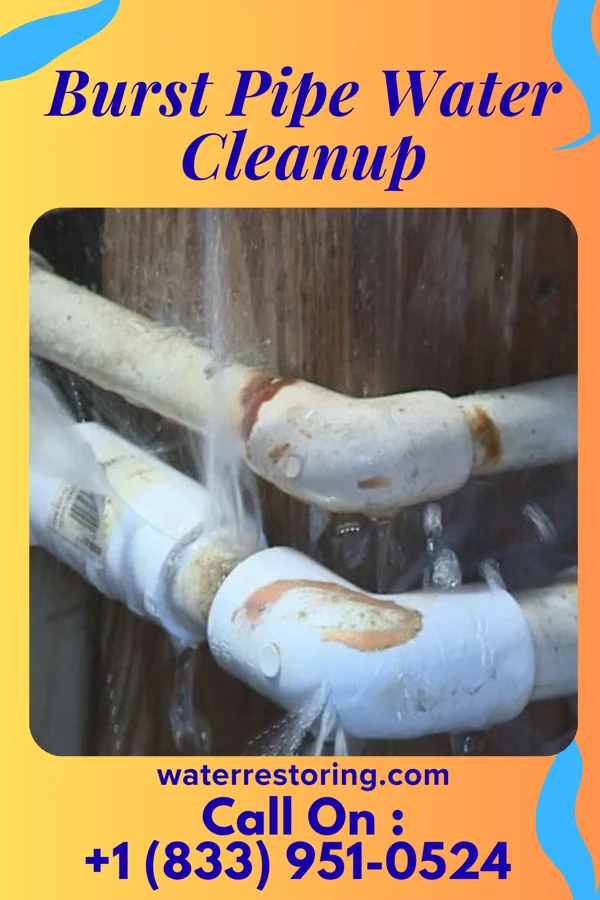
Why Burst Pipes Hit Lakeland Hard
The pattern in Lakeland is consistent. Lakeland, Minnesota, experiences seasonal temperature fluctuations that can cause pipes to expand and contract, increasing the risk of bursts during extreme cold or sudden temperature changes. The area's proximity to Lake St. Croix also means that water pressure can fluctuate, especially during heavy rainfall or snowmelt, putting additional stress on plumbing systems. drives most of the emergency restoration calls we get. A close second is Many homes in Lakeland are older, with outdated plumbing systems that may not be equipped to handle modern water usage or climate changes. Additionally, the rural nature of the area means that some properties may have limited access to professional plumbing maintenance, increasing the likelihood of undetected pipe failures..
Lakeland's climate, characterized by cold winters and warm summers, creates a unique set of challenges for plumbing systems. The area's proximity to Lake St. Croix and its rural setting contribute to specific risks that require specialized water cleanup services.
Lakeland's climate, characterized by cold winters and warm summers, creates a unique set of challenges for plumbing systems. The area's proximity to Lake St. Croix and its rural setting contribute to specific risks that require specialized water cleanup services. The dominant local driver is Lakeland, Minnesota, experiences seasonal temperature fluctuations that can cause pipes to expand and contract, increasing the risk of bursts during extreme cold or sudden temperature changes. The area's proximity to Lake St. Croix also means that water pressure can fluctuate, especially during heavy rainfall or snowmelt, putting additional stress on plumbing systems., with Many homes in Lakeland are older, with outdated plumbing systems that may not be equipped to handle modern water usage or climate changes. Additionally, the rural nature of the area means that some properties may have limited access to professional plumbing maintenance, increasing the likelihood of undetected pipe failures. showing up as the next most common cause. Damage builds in stages. Spread. Absorption. Microbial growth. Structural compromise. Every stage you pass through adds to the final bill.